
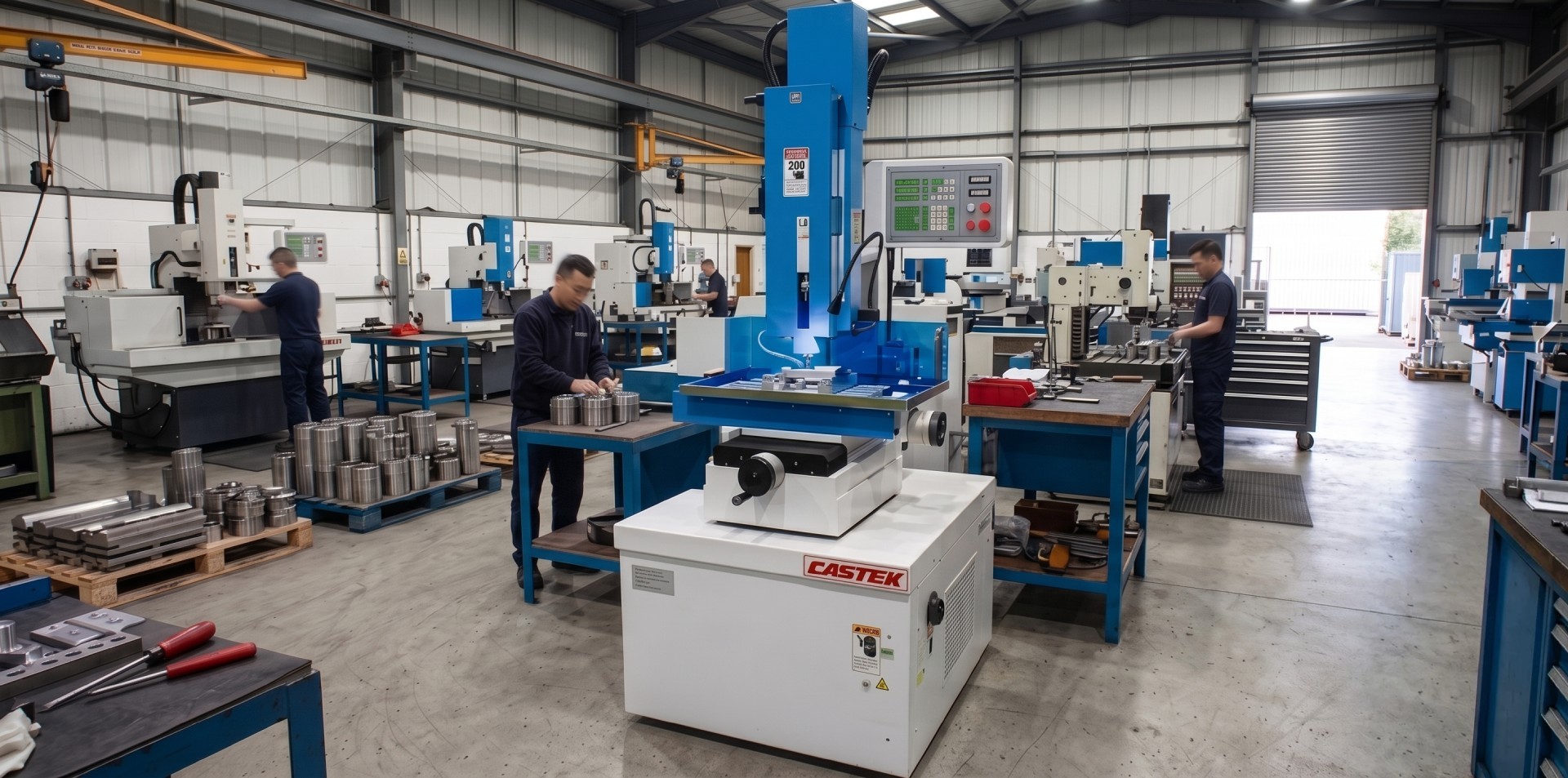
Taiwan Small EDM Drilling Machine | EDM Drilling Machine Manufacturer
CASTEK Mechatron IND. Co., LTD is established at 1987,
expertise in manufacturing EDM drilling machines. Our main clients are from wire-cutting molds, lubricant holes of heat treatment parts (with angles), special small holes for electronics and spare parts processing, ex:spinneret, spraying nozzle… Base on stable and excellent generator, machine performances, our strong team and customers’ trust, we sell machines all over the world, like Germany, France, United States, Mexico, Japan, China, Turkey, India, etc
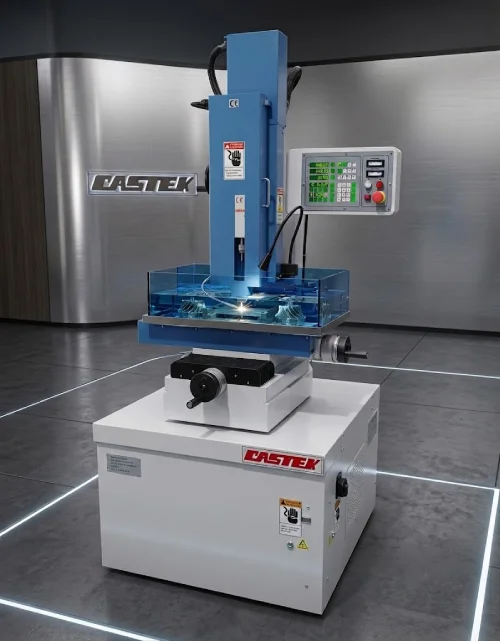
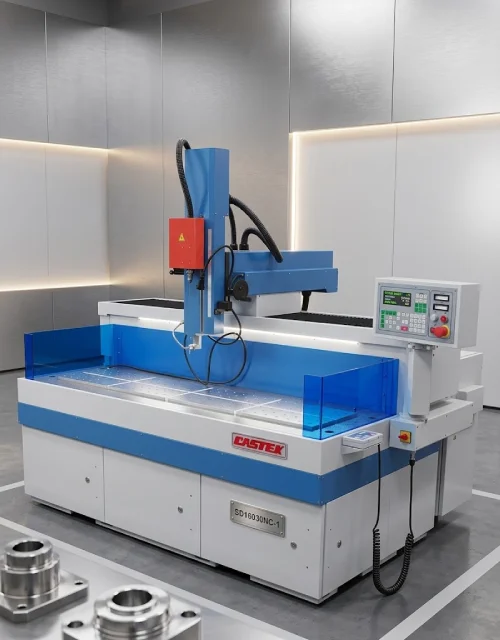
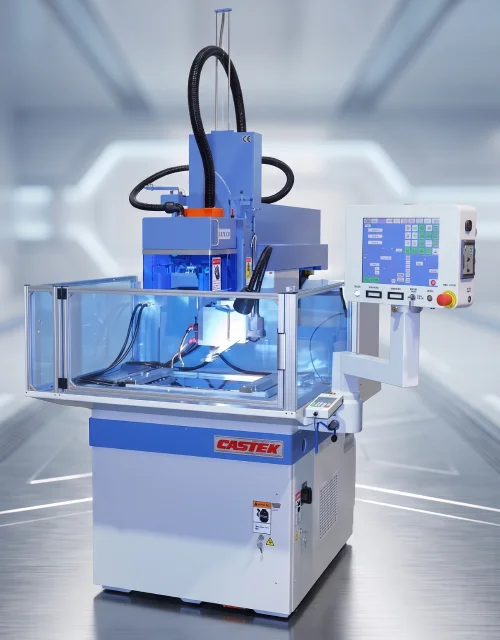
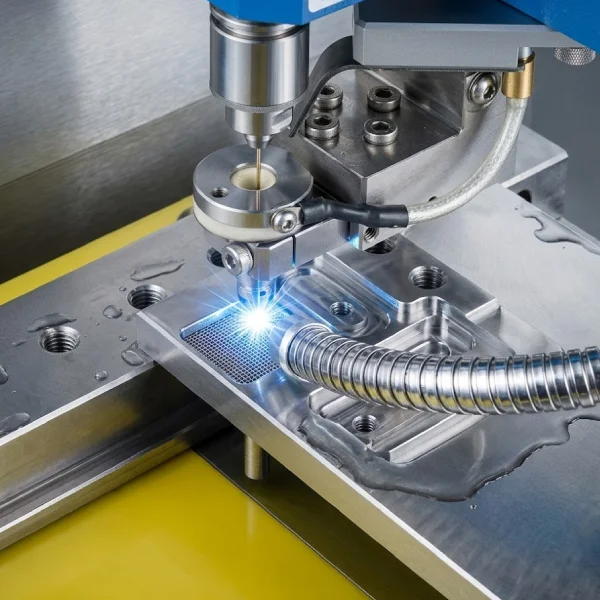
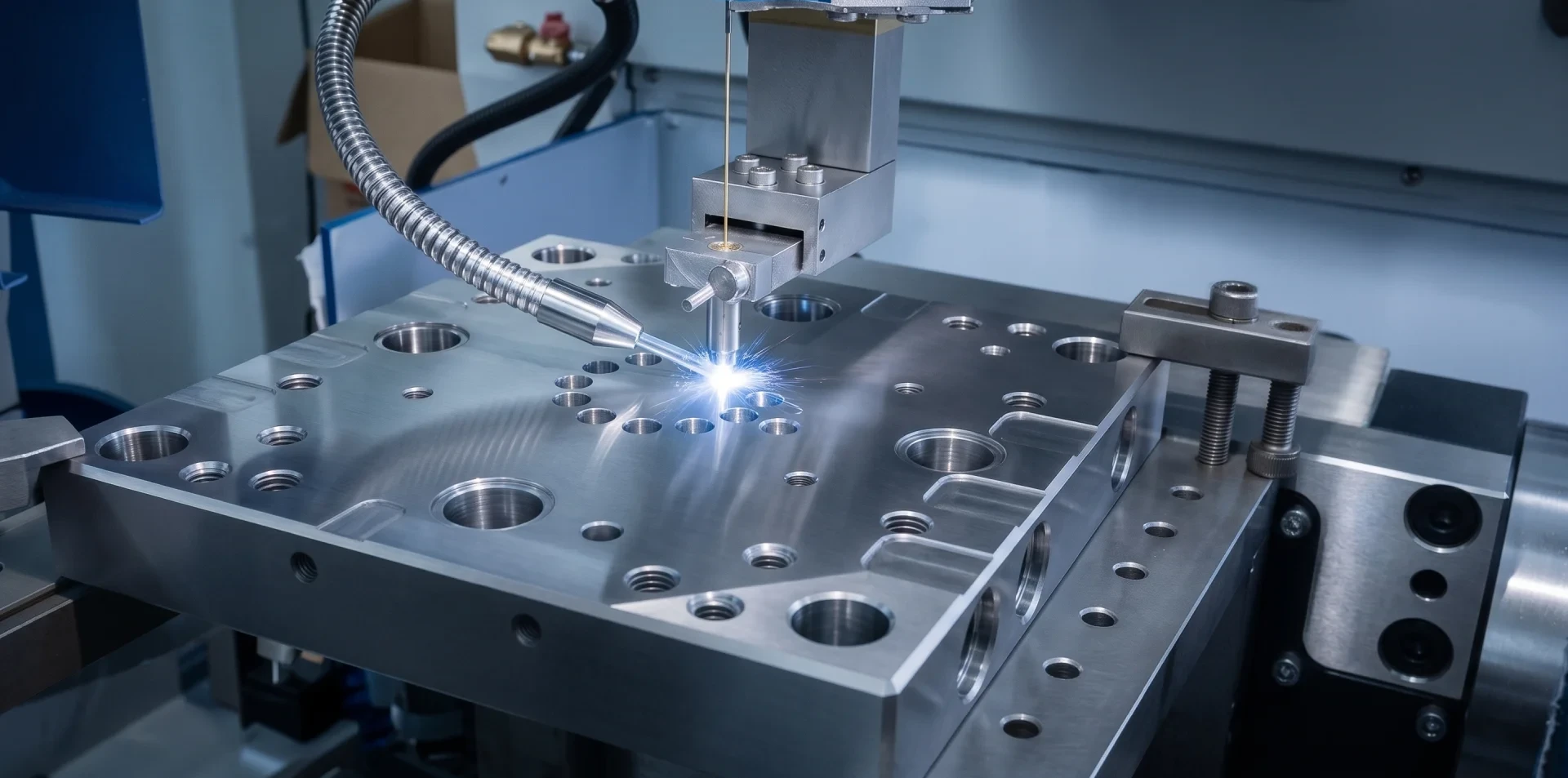
We provide deep hole machining, small hole machining, and fine EDM drilling machines. The machines can also be integrated with wire cutting processes when required. The small EDM machine is suitable for stable and precise machining across a wide range of industrial applications.
These machines can process various materials, including heat-treated steel, stainless steel, tungsten carbide, aluminum, titanium alloys, and soft metals.

Equipped with advanced micro-pulse power control, our technology achieves exceptional surface roughness (a mirror-like finish of up to Ra≤0.1μm). This not only eliminates costly manual polishing but also ensures the dimensional accuracy of micro-molds and precision components remains distortion-free.

Featuring a high-rigidity cast structure integrated with an intelligent thermal compensation system, the machine minimizes thermal deformation even during dozens of hours of continuous electrical discharge machining (EDM), maintaining a repetitive positioning accuracy within ±2μm

The next-generation intelligent power drive precisely controls the energy of every single discharge. By effectively preventing carbon accumulation and reducing blank discharges, it significantly improves slag evacuation during deep-hole and deep-slot machining, drastically shortening the overall cycle time.
We have developed specialized low-wear pulse waveforms for copper and graphite electrodes. During rough machining, electrode wear rate can be reduced to below 0.05%. This not only extends electrode lifespan and saves material costs but also minimizes downtime caused by frequent electrode replacements.